
Male fertility problems contribute to about half of all cases where couples struggle to conceive. Issues such as low sperm count, poor sperm movement, abnormal sperm shape, hormone imbalances, and increased oxidative stress can all affect a man’s ability to father a child. While medical treatments like medication, surgery, or assisted reproductive techniques such as IVF can be helpful, they do not always improve sperm quality. Because of this, many men explore complementary therapies such as acupuncture and electroacupuncture to support their fertility.
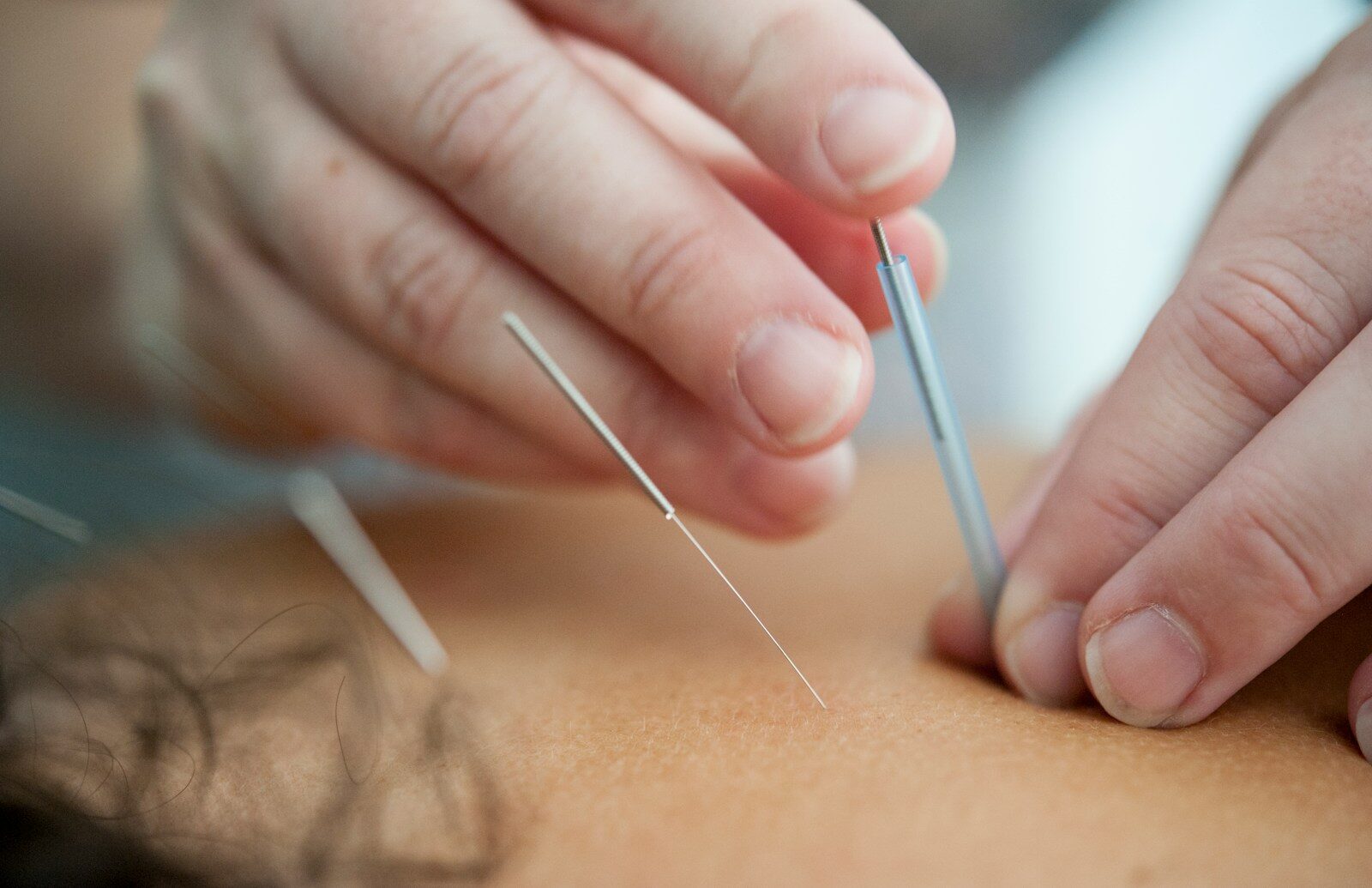
Acupuncture is a treatment that comes from Traditional Chinese Medicine (TCM) and involves placing very thin needles into specific points on the body. These points are chosen to help the body return to balance and improve overall health. In TCM, fertility is seen as a reflection of the body working well as a whole, rather than just one organ. Acupuncture does not aim to “force” a result but instead supports the body’s natural ability to heal and function properly. It is generally safe, well tolerated, and has very few side effects when performed by a trained practitioner. Many people use acupuncture alongside conventional fertility treatments rather than instead of them.
Electroacupuncture is a modern form of acupuncture. It uses the same needles, but a gentle electrical current is passed between some of them. The sensation is usually mild and comfortable. This added stimulation allows the treatment to be more consistent and may strengthen the effects of regular acupuncture. (Hahm TS., 2009)
Researchers believe acupuncture and electroacupuncture may support male fertility in several ways. One important area is hormone balance. Male fertility depends on a delicate balance of hormones such as testosterone, follicle-stimulating hormone (FSH), and luteinizing hormone (LH). These hormones help control sperm production in the testes. Some studies suggest acupuncture may help regulate these hormones by influencing the brain and endocrine system, supporting healthy sperm development (Feng et al., 2022).
Stress and emotional wellbeing also play a role in fertility. Trying to conceive can be stressful, and long-term stress can interfere with hormone production. Acupuncture is well known for its calming effects. It may help reduce stress hormones such as cortisol and promote relaxation. By calming the nervous system, acupuncture may indirectly support reproductive hormones and overall fertility health.
Electroacupuncture has shown particularly promising results. A recent clinical study found that men who received electroacupuncture along with a supplement called Coenzyme Q10 experienced significant improvements in sperm movement and total motile sperm count compared with men who took the supplement alone. Total motile sperm count is an important measure because it reflects both how many sperm are present and how well they move. Improvements in this area can increase the chances of natural conception or success with fertility treatments (Budihastuti at al., 2024).
There are also individual case reports where men receiving electroacupuncture showed improvements in sperm quality, including better movement, healthier shape, and reduced DNA damage (Nareswari et al., 2021). In some cases, these improvements were followed by successful pregnancies (Nurwati et al., 2022). While these results are encouraging, larger studies are still needed to confirm how effective electroacupuncture is and which treatment plans work best.
Despite these positive findings, it is important to be realistic. Research on acupuncture and male fertility is still developing. Some studies are small, and treatment methods can vary between practitioners. This means acupuncture cannot guarantee improved fertility or pregnancy. However, it is widely considered safe and may be especially helpful when used alongside medical treatments, lifestyle changes, and nutritional support.
In summary, acupuncture and electroacupuncture may offer gentle and supportive options for men experiencing fertility challenges. They may help improve sperm quality, support hormone balance, reduce stress, and enhance overall reproductive health. While more research is needed, many men choose acupuncture as part of an integrative approach to fertility because it is low risk, holistic, and focused on improving overall wellbeing rather than treating just one symptom.
Hahm TS. Electroacupuncture. Korean J Anesthesiol. 2009 Jul;57(1):3-7. doi: 10.4097/kjae.2009.57.1.3. PMID: 30625822.
Hoang-Thi AP, Dang-Thi AT, Phan-Van S, Nguyen-Ba T, Truong-Thi PL, Le-Minh T, Nguyen-Vu QH, Nguyen-Thanh T. The Impact of High Ambient Temperature on Human Sperm Parameters: A Meta-Analysis. Iran J Public Health. 2022 Apr;51(4):710-723. doi: 10.18502/ijph.v51i4.9232. PMID: 35936544; PMCID: PMC9288403.
Nareswari I, Lestari SW, Notonegoro C. Acupuncture Therapy for Severe Oligoasthenoteratozoospermia. Med Acupunct. 2021 Aug 1;33(4):302-305. doi: 10.1089/acu.2020.1513. Epub2021 Aug 17. PMID: 34471448; PMCID: PMC8403200.
Nurwati I, Murti B, Budihastuti UR, Prakosa T, Laqif A, Melinawati E, Prasetya H, Susanto L, Sukmawati M. Electroacupuncture Effectiveness for Treating Idiopathic Male Infertility. Med Acupunct. 2022 Dec 1;34(6):405-409. doi: 10.1089/acu.2021.0063. Epub 2022 Dec 12. PMID: 36644422; PMCID: PMC9805838.