

In 2026, the conversation surrounding fertility has shifted significantly. Once considered predominantly a women’s health issue, fertility is now more widely understood as a shared responsibility between partners. Male infertility accounts for approximately 40–50% of infertility cases globally, and awareness, diagnostic technologies, and access to testing have evolved accordingly. However, access to care and the depth of investigation still differ considerably between public healthcare systems and private clinics. The male fertility picture in 2026 is therefore shaped by advances in science, changing social attitudes, and disparities in service provision.
Across both public and private sectors, earlier intervention is increasingly encouraged. Private male fertility clinics typically advise that couples seek specialist advice after six months of trying to conceive without success. This recommendation reflects growing evidence that earlier assessment can identify potential issues sooner and reduce emotional stress for couples. In contrast, the NHS generally advises couples to consult a GP after one year of regular, unprotected intercourse without conception, unless there are known risk factors such as irregular menstrual cycles, previous reproductive health issues, or advancing maternal age. This difference in timelines highlights a key contrast between public and private fertility pathways in 2026.
Within the NHS, the male fertility work-up remains relatively streamlined. Initial investigations usually include a semen analysis to assess sperm concentration, motility, and morphology. Chlamydia screening may also be offered, given its known association with reproductive complications. If abnormalities are detected, or if conception has not occurred after appropriate investigation, patients are referred to a fertility specialist for further evaluation. While this pathway ensures fair access to basic diagnostics, it may be limited in scope compared to the more comprehensive testing available in private clinics.
Private fertility clinics in 2026 provide a broader and more technologically advanced range of diagnostic tools. While standard semen analysis remains the gold standard for male fertility assessments, it isfrequently complemented by more specialised investigations. One such test is DNA fragmentation analysis, which assesses the integrity of sperm DNA. This is particularly significant, as DNA damage can affect fertilisation rates, embryo development, and increase the risk of miscarriage. Importantly, elevated levels of DNA fragmentation are not always detected through routine semen analysis alone, making this investigation especially valuable for couples experiencing unexplained infertility or recurrent pregnancy loss (Andrabi et al., 2024).
In addition to laboratory testing, private clinics often incorporate imaging techniques into male fertility evaluation. Scrotal and transrectal ultrasounds are commonly performed to assess structural abnormalities such as varicoceles, testicular masses, ductal obstruction, or ejaculatory duct issues, all of which may impair sperm production or delivery. The use of ultrasound allows for a more comprehensive anatomical assessment, supporting more accurate diagnosis and tailored treatment planning.
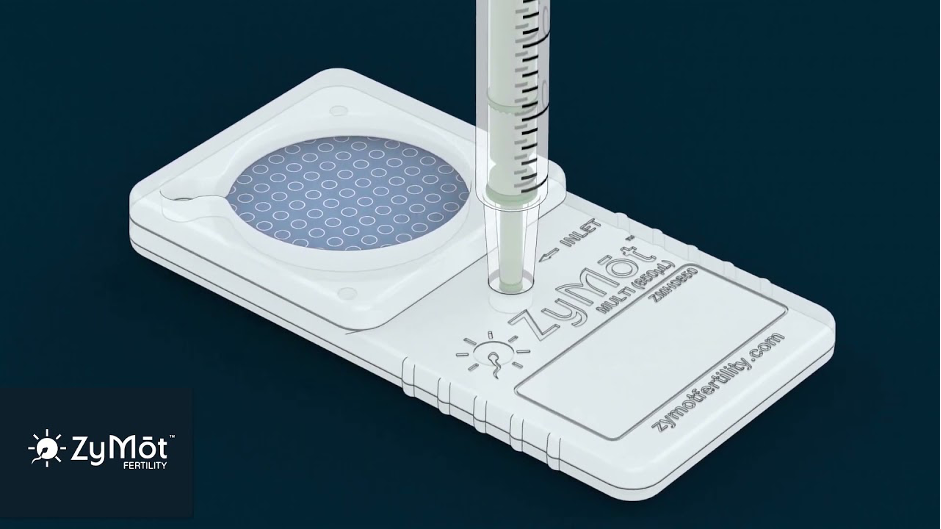
Advancements have also been made in sperm selection techniques within assisted reproductive settings. Methods such as Zymot sperm selection are designed to isolate higher-quality sperm with lower levels of DNA fragmentation, with the aim of improving outcomes in procedures such as in vitro fertilisation (IVF) and intracytoplasmic sperm injection (ICSI). Although these technologies are not routinely available within public healthcare pathways, they are increasingly offered in private clinics, providing couples with additional strategies to optimise treatment success rates.
Semen cultures are also available in private settings to identify underlying infections that may impact sperm quality. Additionally, semen microbiome analysis, examining the bacterial composition within semen and, in some cases, across both partners, has emerged as a developing area of research. By 2026, growing evidence suggests that the reproductive microbiome may influence fertility outcomes, implantation success, and even assisted reproductive technology (ART) effectiveness.
Hormonal testing panels form an important part of private male fertility assessment. These panels typically evaluate levels of testosterone, follicle-stimulating hormone (FSH), luteinising hormone (LH), prolactin, and, in some cases, thyroid hormones. LH and FSH are secreted by the pituitary gland and are central to the regulation of spermatogenesis. LH stimulates the Leydig cells in the testes to produce testosterone, a hormone essential for normal sperm development, while FSH acts on the Sertoli cells to support sperm maturation (Oduwole et al., 2021). Disruptions in these hormonal pathways can impair sperm production and may signal underlying endocrine disorders. In addition, genetic testing is increasingly incorporated into private fertility investigations, screening for chromosomal abnormalities and Y-chromosome microdeletions that may contribute to reduced sperm count or azoospermia (Sinha et at., 2024).
Oxidative stress testing has gained prominence in 2026, reflecting growing recognition of its role in male infertility. Oxidative stress occurs when reactive oxygen species overwhelm the body’s antioxidant defences, potentially damaging sperm membranes and DNA (Agarwal et al., 2014). Thise advanced diagnostic tool allow for more targeted treatment strategies, including antioxidant therapy or lifestyle interventions.
The broader male fertility landscape in 2026 is also influenced by lifestyle and environmental factors. Research continues to explore the impact of obesity, smoking, alcohol consumption, environmental toxins, stress, and physical activity levels on sperm quality. Many private clinics now integrate lifestyle assessments and personalised health optimisation plans into fertility care. Men are encouraged to address modifiable risk factors before pursuing and during assisted reproductive treatments.
Social attitudes toward male infertility have continued to shift in 2026, with greater openness surrounding male reproductive health, although stigma has not been entirely eliminated. For many men, infertility can still challenge traditional ideas of masculinity, highlighting the need for visible support and education. Alongside wider public health campaigns promoting earlier testing and shared responsibility, platforms such as Testhim play an important role in raising awareness. Through initiatives like the Talking Male Fertility podcast, Testhim provides expert-led discussions on male reproductive health, helping to normalise conversations around fertility and encourage men to engage proactively with their reproductive wellbeing.
Despite technological advances, disparities remain. Private fertility care offers faster access, more comprehensive testing, and tailored treatment pathways, but it often comes at significant financial cost. The NHS provides essential and fair services, yet resource constraints can limit the availability of advanced diagnostics. As a result, couples with the means to access private care may receive more detailed insight into sperm health and clearer strategies for assisted conception.
For men in 2026, infertility is no longer viewed solely as a problem of sperm count. It is understood as a multifaceted condition involving genetic, hormonal, environmental, and lifestyle components. Early testing is increasingly normalised, and diagnostic capabilities are more sophisticated than ever before. However, the pathway to diagnosis and treatment depends heavily on whether care is accessed through public or private systems.
In summary, the male fertility picture in 2026 reflects both scientific progress and systemic inequality. The NHS approach remains focused on initial testing and referral after one year of trying to conceive, ensuring baseline assessment for all couples. Private clinics, by contrast, often begin testing earlier and utilise a wider array of diagnostic tools, including ultrasounds, DNA fragmentation testing, microbiome analysis, hormonal panels, genetic screening, oxidative stress testing, SCSA, and advanced sperm selection methods such as Zymot. These expanded services can provide deeper insight into sperm health and may inform more targeted treatment strategies, particularly for couples considering assistedreproductive technologies.
Oduwole OO, Huhtaniemi IT, Misrahi M. The Roles of Luteinizing Hormone, Follicle-Stimulating Hormone and Testosterone in Spermatogenesis and Folliculogenesis Revisited. Int J Mol Sci. 2021 Nov 25;22(23):12735. doi: 10.3390/ijms222312735. PMID: 34884539; PMCID: PMC8658012.
Andrabi SW, Ara A, Saharan A, Jaffar M, Gugnani N, Esteves SC. Sperm DNA Fragmentation: causes, evaluation and management in male infertility. JBRA Assist Reprod. 2024 Jun 1;28(2):306-319. doi: 10.5935/1518-0557.20230076. PMID: 38289201; PMCID: PMC11152411.
Sinha MB, Rathia DS, Dada R, Sinha HP. A Comprehensive Analysis of Y-Chromosome Microdeletions and Their Relationship to Male Infertility and Lifestyle Variables. Cureus. 2024 Apr 1;16(4):e57375. doi: 10.7759/cureus.57375. PMID: 38694658; PMCID: PMC11061872.
Agarwal A, Virk G, Ong C, du Plessis SS. Effect of oxidative stress on male reproduction. World J Mens Health. 2014 Apr;32(1):1-17. doi: 10.5534/wjmh.2014.32.1.1. Epub 2014 Apr 25. PMID: 24872947; PMCID: PMC4026229.
Please do get in touch to discuss your fertility care.